Building a Cast Iron Collection on a UK Budget
Building a Cast Iron Collection on a UK Budget: A Practical Guide for British Cooks
Cast iron cookware has enjoyed a remarkable resurgence in British kitchens over the past decade, and for good reason. A well-maintained cast iron skillet or Dutch oven will outlast any non-stick pan you have ever owned, cook more evenly on your hob, and reward you with better sears, deeper flavours, and a cooking surface that genuinely improves with age. The trouble, for many UK home cooks, is the perception that building a decent collection requires spending several hundred pounds upfront on premium French enamelware.
That perception is wrong. This guide will show you exactly how to build a genuinely useful cast iron collection from scratch, using a combination of new budget-friendly options, second-hand finds, and smart purchasing strategies available to buyers in Britain today. Whether you are cooking on gas, electric, induction, or an Aga, cast iron has a place in your kitchen — and it does not have to cost a fortune.
Understanding the Cast Iron Market in the UK
Before you spend a penny, it is worth understanding what you are actually choosing between when you walk into a kitchen shop or open a browser tab. The UK cast iron market broadly divides into three tiers, each with its own strengths and trade-offs.
Premium Enamel-Coated Cast Iron: Le Creuset and Staub
Le Creuset is a French brand with a significant manufacturing and retail presence in the UK. Their cast iron is enamelled, meaning the cooking surface is coated in a vitreous enamel that requires no seasoning and resists rust. Le Creuset pieces are sold at John Lewis, Lakeland, independent kitchen shops, and their own outlet stores across Britain, including locations at Bicester Village and Swindon Designer Outlet. A standard 26cm Le Creuset round casserole currently retails for around £250 new, though outlet prices and sales can bring this down meaningfully.
Staub is a competing French brand with a slightly different cooking surface (matte black interior enamel rather than the light-coloured satin interior on Le Creuset), also sold at premium UK retailers. Both brands carry a lifetime guarantee and are genuinely outstanding tools.
Mid-Range and Budget New Cast Iron: Lodge, Netherton Foundry, and Imports
Lodge is an American brand manufactured in South Pittsburg, Tennessee, and it is the most widely available budget-friendly cast iron in the UK. You will find Lodge on Amazon UK, at Lakeland, and at various independent retailers. A Lodge 26cm (10.25 inch) pre-seasoned cast iron skillet typically costs between £30 and £45 new. It is heavier and rougher-surfaced than a Le Creuset, but it is durable, effective, and improves with use.
Netherton Foundry is a British manufacturer based in Shropshire that produces spun iron and cast iron cookware using traditional methods. Their pieces are more expensive than Lodge but less than Le Creuset, and buying from them supports UK manufacturing directly. For a buyer who wants something made in Britain, Netherton is worth the premium.
You will also find a range of generic cast iron skillets on Amazon UK and at retailers like TK Maxx, often branded under house names or imported from China. Quality varies enormously. Some are adequate; others warp or crack within months. Approach these with caution unless you can verify reasonable reviews.
Second-Hand Cast Iron: The Real Budget Option
The most cost-effective way to build a cast iron collection in the UK is to buy used. Cast iron is essentially indestructible if it has not been cracked, and a rusty, neglected pan found at a car boot sale or a charity shop can be fully restored to cooking condition with an afternoon’s work and about £5 worth of materials. We will cover restoration in detail below.
What to Buy First: Prioritising Your Collection
If you are starting from nothing, resist the urge to buy everything at once. A single well-chosen piece will teach you more about cast iron cooking than a drawer full of mediocre pans. Here is a sensible order of acquisition for most British home cooks.
Start With a 26cm or 28cm Skillet
A 26cm (10-inch) or 28cm (11-inch) skillet is the most versatile cast iron piece you can own. It handles searing steaks, frying eggs, making cornbread, roasting chicken portions, and going straight from hob to oven without complaint. On a budget, a Lodge 26cm skillet from Amazon UK or Lakeland is the logical first purchase. If you find one second-hand at a car boot sale for £2, even better.
Avoid starting with anything smaller than 24cm. A 20cm skillet sounds practical but quickly becomes limiting for cooking for two people.
Add a Casserole or Dutch Oven Second
A cast iron casserole — what Americans call a Dutch oven — is your second priority. This is the piece that will handle slow braises, stews, sourdough bread, and anything requiring oven cooking in a lidded vessel. If budget is tight, this is where you might consider a second-hand Le Creuset rather than new Lodge, because Le Creuset casseroles appear regularly on eBay UK, Facebook Marketplace, and at charity shops, often at prices between £20 and £60 depending on size and condition.
A 24cm or 26cm round casserole with a capacity of around 4.2 to 5.3 litres will suit most family cooking tasks.
Consider a Griddle Pan or Grill Pan Later
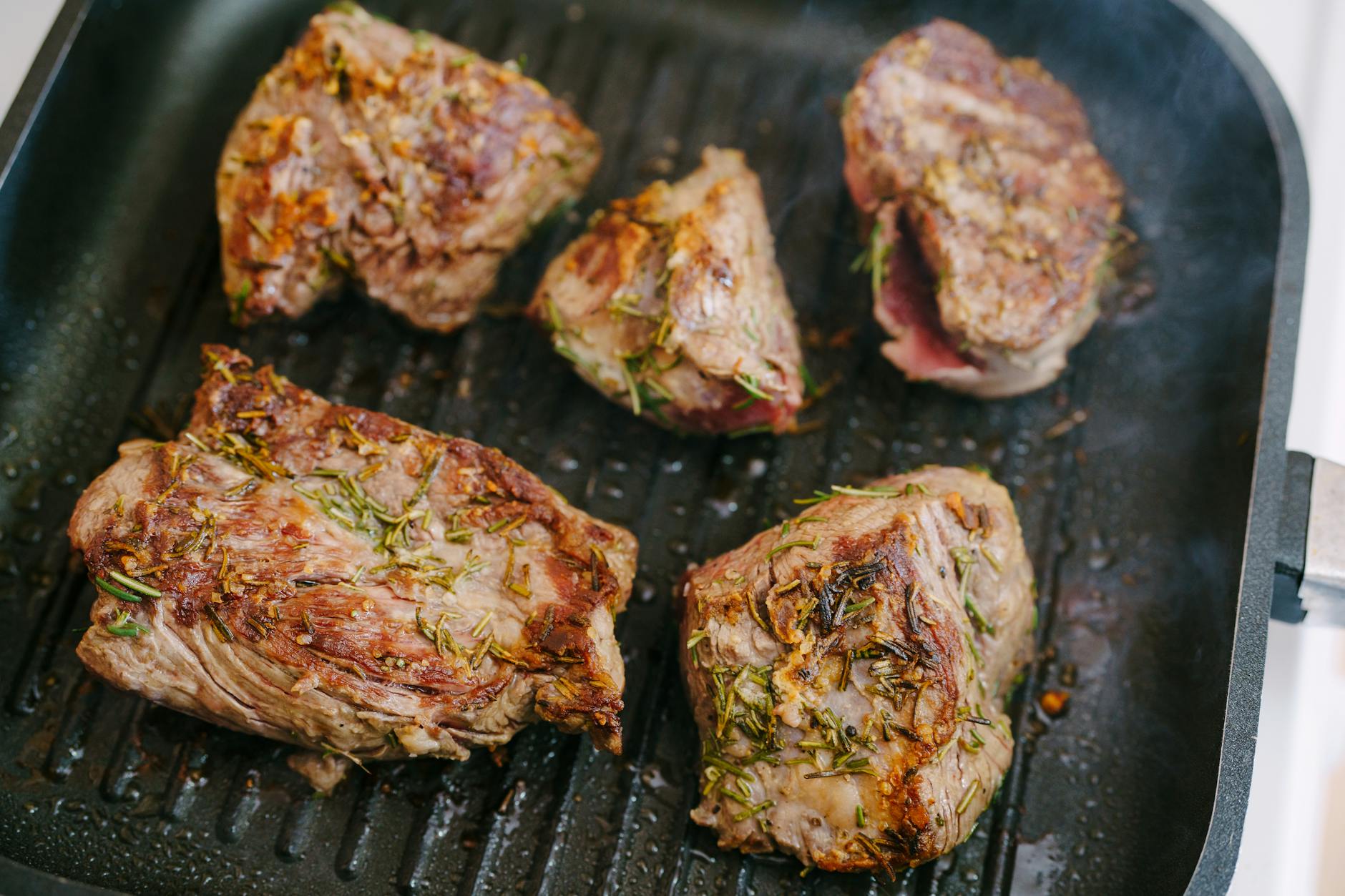
A ridged cast iron griddle pan is a useful addition for indoor grilling, particularly useful in the UK where outdoor grilling season is, frankly, limited. These are commonly available second-hand and are often found in good condition because many people buy them with enthusiasm and then use them rarely. A flat cast iron griddle that spans two hob rings is also useful for pancakes, crumpets, or cooking at volume.
Where to Find Cheap Cast Iron in the UK
Finding affordable cast iron in Britain requires a degree of patience and a willingness to look in non-obvious places. Here are the most productive hunting grounds.
Charity Shops and Second-Hand Stores
British charity shops — Oxfam, British Heart Foundation, Age UK, Sue Ryder, and the rest — are excellent sources of cast iron cookware, especially in market towns and wealthier suburban areas where estate clearances are common. Enamel-coated pieces from Le Creuset and similar brands appear regularly because their bright colours and distinctive appearance mean they are recognised as valuable enough to donate rather than skip, but the pricing at charity shops rarely reflects their true value. Expect to pay £5 to £30 for pieces that would cost £150 or more new.
The key thing to check when buying enamel cast iron second-hand is the interior of the cooking surface. Minor discolouration and staining is completely normal and harmless. What you want to avoid is significant chipping of the interior enamel, as exposed cast iron beneath enamel is difficult to season correctly in the areas around the chips, and sharp enamel flakes in food are undesirable.
Car Boot Sales and Flea Markets
Bare cast iron (non-enamel) pieces appear regularly at car boot sales, usually priced at £1 to £5 because sellers do not recognise what they have. A rusty Lodge skillet or an old Spear and Jackson cast iron piece is not rubbish — it is a restoration project. We will get to how to restore it shortly.
Facebook Marketplace and Gumtree
These platforms are excellent for cast iron, particularly if you are willing to travel within your region. Search for “cast iron skillet,” “Le Creuset,” “cast iron casserole,” and “Dutch oven.” Filter by distance and check back regularly. Prices vary wildly — some sellers know exactly what they have; others are pricing based on vague memory. A polite, prompt offer and quick collection will often win the sale.
eBay UK
eBay UK has a strong cast iron market. The advantage over Marketplace is that you can find nationwide stock; the disadvantage is that shipping heavy cast iron adds meaningful cost. For bare cast iron, factor in at least £8 to £15 for shipping unless the seller offers free postage. For enamel pieces, combined postage costs can sometimes bring the price close to new retail, so do your maths carefully.
TK Maxx
TK Maxx in the UK regularly stocks cast iron cookware at discounted prices, including occasional Le Creuset seconds and Staub pieces at significantly below standard retail. The selection is unpredictable — you have to visit and see what is there — but if you are near a large TK Maxx, checking the cookware section every few weeks costs nothing and occasionally yields a genuine bargain.
How to Season Cast Iron: A Step-by-Step Guide for UK Kitchens
Seasoning is the process of building up polymerised layers of oil on bare cast iron, creating a naturally non-stick surface that also protects the metal from rust. This is not complicated, but it does require doing it correctly to achieve good results.
Choosing the Right Oil
In the UK, the most commonly recommended oils for seasoning cast iron are flaxseed oil, refined coconut oil, and vegetable shortening. Flaxseed oil (sold as linseed oil in cooking form at health food shops and Holland and Barrett) polymerises exceptionally well and produces a hard, durable seasoning layer. Refined coconut oil works well and is widely available at UK supermarkets. Cold-pressed oils, olive oil, and butter are not suitable for seasoning — they either have too low a smoke point or do not polymerise properly.
Avoid using extra virgin olive oil. It is wonderful for cooking but produces a sticky, gummy seasoning layer that does more harm than good.
Initial Seasoning Process
Follow these steps for a new, unseasoned pan or a pan you have stripped back to bare metal:
Moving Forward
Once you have the fundamentals in place, the possibilities open up considerably. The UK offers fantastic opportunities for anyone interested in this hobby, and with the right foundation you will be well placed to make the most of them.